 Business License

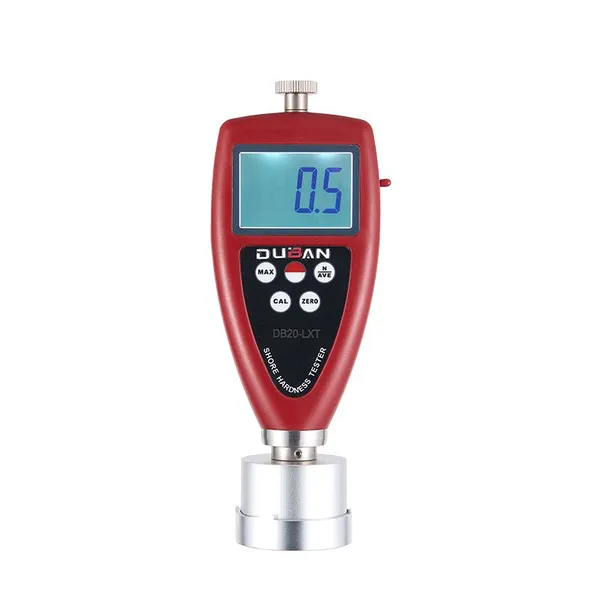
Shore Durometer: A Versatile Tool for Hardness Testing Across Industries
The Shore durometer, invented by Albert F. Shore in the 1920s, is a portable instrument that measures the indentation hardness of non-metallic materials such as rubber, elastomers, and plastics. By pressing a spring-loaded indenter into a material and measuring penetration depth, it produces a hardness value on a 0–100 scale. Different scales serve different materials: Shore A uses a blunt indenter with lighter force for soft rubbers and elastomers, while Shore D employs a sharper cone with greater force for rigid plastics and hard polymers. This simple, non-destructive test has become indispensable across numerous industries.
In the automotive industry, Shore hardness testing ensures the quality of tires, seals, gaskets, and hoses. Tire manufacturers control tread compound hardness to balance wear resistance and ride comfort. O-rings for hydraulic systems are specified within tight hardness ranges—typically 70–90 Shore A—to prevent leaks. Door seals and interior trim materials are tested to meet both durability and tactile requirements.
In manufacturing and construction, the durometer verifies flooring, insulation, and sealants. Conveyor belts, anti-vibration pads, and industrial rubber components undergo routine hardness checks on production lines to ensure batch-to-batch consistency. The portability of handheld durometers allows immediate quality control feedback directly on the shop floor.
The medical and pharmaceutical sectors rely on Shore hardness for device components such as silicone catheters, tubing, and seals. A catheter specified at 65±5 Shore A must meet exact requirements for patient safety. Foam materials for wheelchair cushions, medical pads, and pressure ulcer prevention are measured using softer scales like Shore OO or Shore O.
In consumer goods, footwear manufacturers grade outsole rubber and midsole EVA foam hardness to optimize cushioning and durability. Electronics producers test silicone keypads and conductive rubber for tactile response and operational lifespan. The packaging industry uses Shore testing for flexible films and food-contact elastomers. In research and development, engineers rely on durometers for material selection and formulation optimization.
Beyond these, the aerospace sector validates vibration-damping mounts and cabin rubber components, while the adhesives industry uses Shore hardness to ensure product consistency. The method is standardized under ASTM D2240, ISO 868, and ISO 48-4, ensuring reliable, repeatable measurements worldwide. Whether on a production line, in a quality control laboratory, or during product development, the Shore durometer remains an essential instrument for verifying that flexible materials meet their required mechanical specifications.

Contact Us
Recommended Products
-
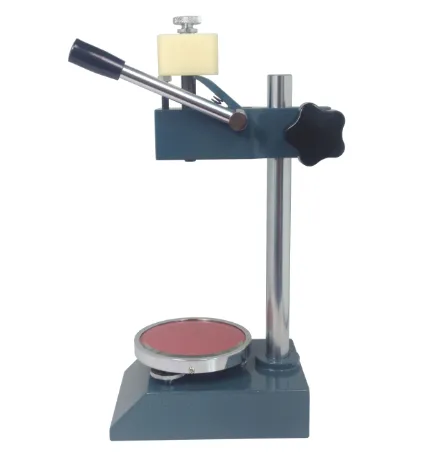
 Shore Hardness Tester Test Stand AMNegotiableMOQ: 1 Piece
 -
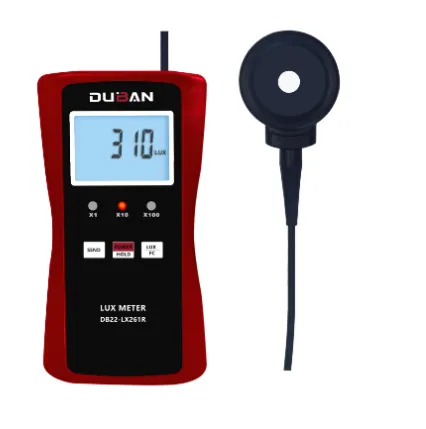
Optometer Illuminometer LX-1261RNegotiableMOQ: 1 Piece
-
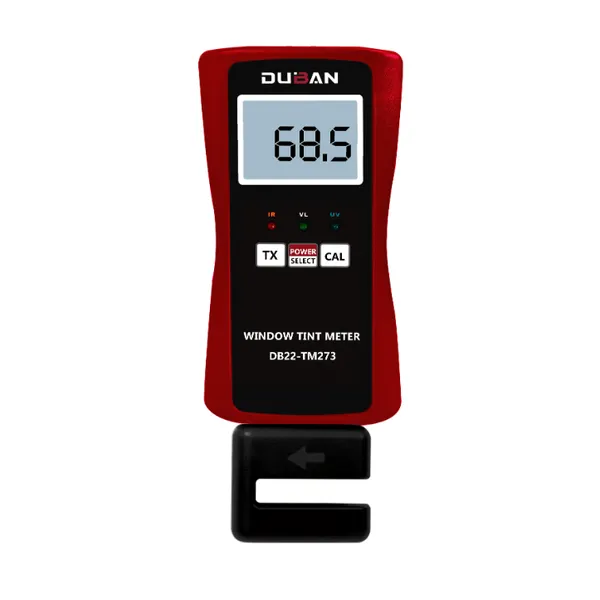
Window Tint Meter DB22-TM273/OEM/ODMNegotiableMOQ: 1 Piece
-
Light Transmittance Meter DB22-TM275/DB22-TM275P/DB22-TM275P6NegotiableMOQ: 1 Piece
-
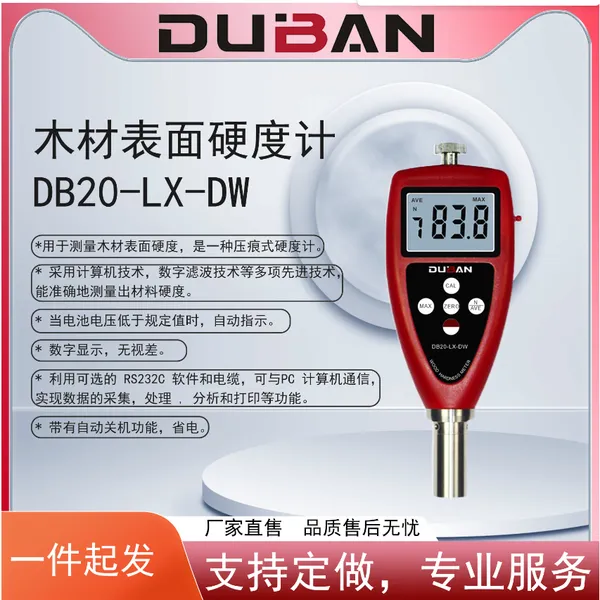
W00D HARDNESS METER DB20-LX-DWNegotiableMOQ: 1 Piece